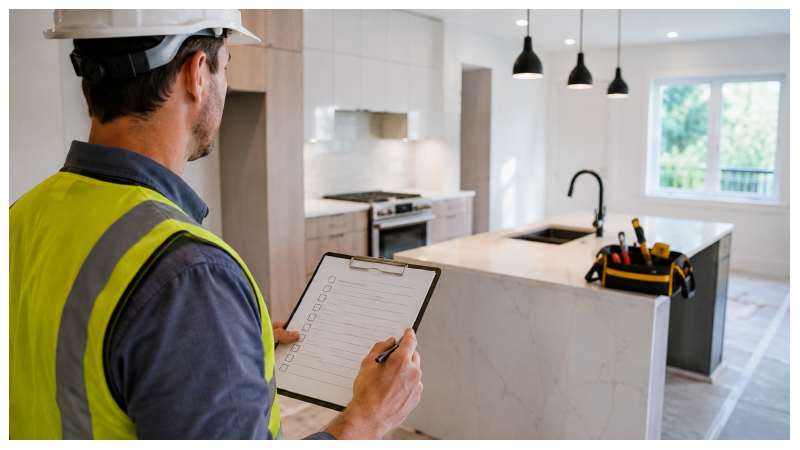
Every successful design, renovation, manufacturing, or construction project begins with careful planning and ends with a thorough inspection. A well-organized inspection checklist helps ensure that every detail meets quality standards before a project is considered complete. Whether you are managing a home renovation, commercial project, product design, or creative workspace, having a structured inspection process reduces costly mistakes and improves overall efficiency.
The PushYourDesign Total Inspection Checklist serves as a comprehensive framework for evaluating every stage of a project. Instead of relying on memory or incomplete notes, professionals use detailed checklists to verify quality, safety, functionality, and compliance.
In this guide, you’ll learn how to create and use a PushYourDesign Total Inspection Checklist effectively, why inspections matter, and which areas should always be reviewed before final approval.
What Is the PushYourDesign Total Inspection Checklist?
The PushYourDesign Total Inspection Checklist is a structured list of inspection points designed to evaluate every important part of a project before completion.
Rather than focusing on one specific task, the checklist covers multiple categories, including:
- Planning
- Design accuracy
- Material quality
- Safety compliance
- Installation standards
- Functional testing
- Final presentation
By following a complete inspection checklist, project managers can identify issues early and prevent expensive corrections later.
Why Every Project Needs an Inspection Checklist
No matter the size of the project, inspections are essential.
A detailed checklist helps:
- Improve overall quality
- Reduce human error
- Save time
- Lower repair costs
- Increase customer satisfaction
- Maintain professional standards
Without a proper inspection process, even small problems can become major issues after project completion.
Planning Before the Inspection
Every successful inspection begins with preparation.
Before starting, gather:
- Project documentation
- Design drawings
- Material specifications
- Safety requirements
- Client expectations
- Inspection forms
Having all documents ready allows inspectors to compare the completed work with the original project requirements.
Design Accuracy Inspection
One of the most important parts of the PushYourDesign Total Inspection Checklist is verifying that the finished work matches the approved design.
Inspectors should confirm:
Dimensions
Measurements should match the approved plans.
Layout
The final arrangement should follow the original design.
Colors
Colors should be consistent throughout the project.
Materials
All materials should match the specified quality standards.
Finishes
Every finish should appear clean, smooth, and professionally completed.
Material Quality Inspection
High-quality materials contribute directly to long-lasting results.
Inspect each material for:
- Damage
- Cracks
- Scratches
- Manufacturing defects
- Moisture damage
- Proper installation
Replacing poor-quality materials before project completion prevents future complaints.
Structural Inspection
Structural integrity should never be overlooked.
Inspect the following carefully:
Walls
Ensure they are straight, stable, and free from visible damage.
Floors
Look for uneven surfaces, loose materials, or cracks.
Ceilings
Check for stains, gaps, or structural movement.
Support Systems
Verify beams, columns, and framing meet engineering requirements.
Strong structural components ensure safety and durability.
Safety Inspection Checklist
Safety should always remain the highest priority.
Review:
- Emergency exits
- Fire safety equipment
- Electrical systems
- Handrails
- Lighting
- Slip-resistant flooring
- Hazard warnings
A safe environment protects both workers and future occupants.
Electrical System Inspection
Electrical systems require careful evaluation.
Inspect:
- Wiring quality
- Power outlets
- Switches
- Lighting fixtures
- Circuit breakers
- Grounding systems
Every electrical component should function correctly and comply with local safety standards.
Plumbing Inspection
Plumbing inspections help prevent water damage.
Inspect:
- Pipes
- Faucets
- Water pressure
- Drainage
- Leak prevention
- Water heaters
Even a small leak can cause expensive repairs if left unnoticed.
Mechanical System Inspection
Mechanical systems should operate efficiently.
Review:
- HVAC equipment
- Ventilation
- Heating
- Cooling
- Air circulation
- Equipment performance
Proper maintenance improves energy efficiency and occupant comfort.
Interior Finish Inspection
Interior appearance significantly affects the final impression.
Inspect:
Paint Quality
Surfaces should be smooth and evenly coated.
Flooring
Ensure flooring is level, clean, and securely installed.
Doors
Doors should open and close properly.
Windows
Windows should lock securely and operate smoothly.
Trim Work
Check for consistent alignment and professional finishing.
Exterior Inspection
Exterior inspections protect buildings from environmental damage.
Evaluate:
- Roofing
- Gutters
- Siding
- Exterior paint
- Landscaping
- Walkways
- Drainage systems
Well-maintained exteriors improve both durability and curb appeal.
Functional Testing
Every installed feature should be tested before project completion.
Test:
- Lights
- Appliances
- Plumbing fixtures
- Security systems
- Internet connections
- Smart home devices
- Mechanical equipment
Functionality is just as important as appearance.
Documentation Review
Good documentation supports professional project management.
Verify:
- Inspection reports
- Material records
- Warranty information
- Maintenance instructions
- User manuals
- Compliance certificates
Organized records simplify future maintenance and repairs.
Final Client Walkthrough
A client walkthrough provides one final opportunity to confirm satisfaction.
During the walkthrough:
- Demonstrate key features.
- Explain maintenance requirements.
- Answer questions.
- Record any requested adjustments.
- Confirm project completion.
This final review builds trust and improves customer relationships.
Common Inspection Mistakes to Avoid
Even experienced professionals make mistakes.
Avoid:
- Rushing inspections
- Ignoring small defects
- Skipping documentation
- Forgetting safety checks
- Missing hidden areas
- Failing to test equipment
A complete inspection reduces the risk of future problems.
Best Practices for Using the PushYourDesign Total Inspection Checklist
To maximize results:
- Follow the checklist in the same order every time.
- Inspect each section carefully.
- Take photographs of completed work.
- Record observations immediately.
- Correct issues before final approval.
- Review completed inspections with the project team.
Consistency improves both quality and efficiency.
Benefits of a Complete Inspection Process
Using the PushYourDesign Total Inspection Checklist offers several advantages.
These include:
- Better project quality
- Improved safety
- Lower maintenance costs
- Higher customer satisfaction
- Increased professional credibility
- Faster project approval
- Reduced warranty claims
A standardized inspection process helps deliver reliable results across every project.
Conclusion
The PushYourDesign Total Inspection Checklist is an essential tool for ensuring every project meets high standards of quality, safety, and performance. From planning and material inspections to structural evaluations, functional testing, and final client walkthroughs, every stage contributes to a successful outcome.
Whether you are working on residential renovations, commercial construction, product development, or creative design projects, following a complete inspection checklist minimizes errors and improves long-term success. By making inspections a standard part of every workflow, professionals can deliver dependable results, exceed client expectations, and build a strong reputation for quality workmanship.