
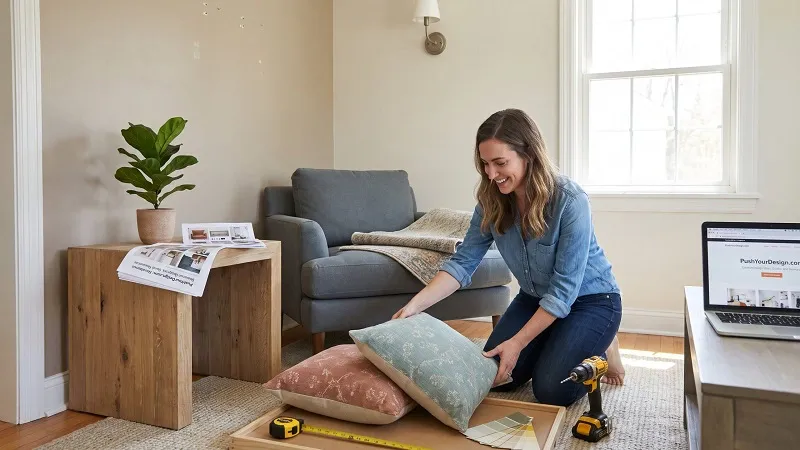
Interior design is about much more than choosing attractive furniture or painting walls in fashionable colors. A thoughtfully designed home combines comfort, functionality, personality, and visual balance. Whether you are decorating a small apartment, renovating a family house, or simply refreshing one room, good design can make an everyday space feel more welcoming and useful.
The principles behind interior design pushyourdesign focus on creating spaces that reflect individual lifestyles while maintaining practical organization. From choosing the right layout to introducing suitable lighting, colors, textures, and furniture, every detail can contribute to a better home environment.
Understanding the Purpose of Interior Design
The primary purpose of interior design is to improve the way people experience and use a space. A beautiful room is valuable, but it should also support the activities that happen there.
For instance, a living room needs comfortable seating and clear pathways, while a kitchen should support easy cooking and organized storage. A bedroom should encourage relaxation, while a home office should support concentration and productivity.
Good interior design begins by understanding these needs before selecting decorative elements. Consider who uses the room, what activities take place there, how much storage is required, and what atmosphere you want to create.
Start With a Practical Room Layout
A key part of successful interior design is arranging furniture in a practical and balanced way. Even expensive furniture can look uncomfortable when it is positioned without considering movement and proportions.
Begin by measuring the room and identifying important architectural features such as doors, windows, fireplaces, electrical outlets, and built-in storage. Then consider the natural paths people use to move through the space.
Avoid filling every empty area with furniture. Leaving some open space can make a room feel larger and easier to navigate. In smaller homes, multifunctional furniture can also provide greater flexibility.
For instance, an ottoman can provide seating while offering hidden storage, and a compact dining table can serve as both a dining surface and a workspace.
Choose a Balanced Color Scheme
Color has a significant influence on the mood and appearance of an interior. A carefully selected palette can make rooms feel brighter, calmer, warmer, or more energetic.
A useful approach is to begin with a dominant color and then introduce complementary shades through furniture, fabrics, artwork, and accessories. Neutral colors such as white, beige, gray, and soft earth tones can create a versatile foundation.
However, neutral interiors do not have to be boring. Texture, natural materials, plants, artwork, and carefully selected accent colors can add personality without overwhelming the room.
When following interior design pushyourdesign ideas, think about how colors connect different areas of the home. Using related tones throughout nearby rooms can create a more cohesive appearance.
Make Lighting Part of the Design
Lighting is often overlooked during decorating, even though it can dramatically change the way a room looks.
A successful lighting plan usually combines several types of lighting. Ambient lighting provides general illumination, task lighting helps with specific activities, and accent lighting highlights decorative features or architectural details.
Natural light should also be considered. Keep windows as open as possible and use curtains or blinds that allow you to control brightness and privacy.
Mirrors can help reflect natural and artificial light, making certain spaces appear brighter. Warm lighting can create a relaxed atmosphere in bedrooms and living rooms, while brighter task lighting may be useful in kitchens, offices, and reading areas.
Select Furniture According to Scale
Furniture should match the size and proportions of the room. A large sofa may dominate a small living room, while tiny furniture can make a spacious room feel unfinished.
Before purchasing furniture, measure both the available space and the furniture itself. Remember to account for walking areas and clearance around doors.
The goal is not simply to fit as many pieces as possible. Instead, select items that provide useful functions while maintaining visual balance.
Modern furniture with simple lines can give a room a neat look, while traditional pieces add warmth and personality. Combining different styles can also create a balanced interior when the furniture shares complementary colors, materials, or design details.
Use Texture to Add Depth
A room can have a beautiful color palette and still feel flat if everything has the same texture. Mixing various materials adds depth, character, and visual appeal to your interior.
Consider mixing materials such as wood, glass, metal, cotton, linen, wool, ceramic, and natural stone. Soft cushions can balance hard surfaces, while woven rugs can add warmth to smooth flooring.
Texture is particularly useful in neutral rooms. Instead of relying heavily on bright colors, you can create character through layered fabrics, natural materials, and decorative objects.
This approach creates a comfortable, sophisticated interior while keeping the overall space clean and uncluttered.
Create Effective Storage Solutions
Clutter can quickly reduce the visual appeal of even a carefully decorated home. Effective storage should therefore be considered an important part of interior design rather than an afterthought.
Built-in cabinets, floating shelves, storage benches, baskets, and multifunctional furniture can help keep everyday items organized.
In small rooms, vertical space is particularly valuable. A tall shelving unit adds valuable storage while using minimal floor space.
When planning interior design pushyourdesign, prioritize storage based on the items you actually use. Frequently used belongings should be easy to access, while seasonal or rarely needed items can be stored in less accessible locations.
Bring Nature Indoors
Plants can make an interior feel more lively and inviting. They introduce natural shapes, colors, and textures while helping connect indoor spaces with the outdoors.
Choose plants according to the amount of natural light available. Some varieties thrive near bright windows, while others can tolerate lower-light environments.
If maintaining plants is difficult, consider low-maintenance varieties or high-quality artificial plants. Natural materials such as wood, rattan, stone, and woven fibers can also create a connection with nature.
A few carefully positioned plants are often more effective than filling every corner with greenery.
Personalize Your Living Space
A home should reflect the people who live there. Following design trends can provide inspiration, but copying a complete style may make a space feel impersonal.
Personal items such as photographs, artwork, books, travel souvenirs, handmade decorations, and family heirlooms can give rooms a unique identity.
Display meaningful objects selectively rather than covering every available surface. A small collection of favorite items can create a stronger visual impact than a large assortment of unrelated decorations.
Personalization is one of the central ideas behind interior design pushyourdesign, because successful interiors should support individual preferences rather than follow trends blindly.
Design Small Spaces Efficiently
Small rooms require careful planning, but limited space does not mean limited style.
Use furniture that serves multiple purposes and choose pieces that are appropriately scaled. Wall-mounted shelves can free up floor space, while storage beds can provide additional room for belongings.
Light colors, mirrors, transparent furniture, and effective lighting can also help create an open visual effect.
Avoid excessive decoration in compact rooms. Keeping surfaces organized and allowing some areas to remain visually open can make the space feel more comfortable.
Combine Style With Function
One of the most important principles of modern interior design is balancing appearance with everyday usefulness.
A decorative chair that is uncomfortable may not be a good choice for a frequently used living room. Similarly, an attractive coffee table with insufficient surface space may become frustrating over time.
Before purchasing an item, ask whether it solves a practical problem, supports the room’s purpose, or contributes meaningful visual value.
The strongest interiors are often those where practical features are incorporated naturally into the overall design.
Refresh Your Home Without a Major Renovation
You do not always need a complete renovation to transform an interior. Small changes can create noticeable improvements.
Try rearranging furniture, replacing outdated cushions, introducing a new rug, changing lampshades, adding artwork, or repainting an accent wall.
Decluttering can also have a significant effect. Removing unnecessary items allows existing furniture and architectural features to become more visible.
For homeowners working with a limited budget, gradual improvements can be more practical than attempting to redesign the entire house at once.
Make Sustainable Choices
Sustainability is becoming an increasingly important consideration in home design. Choosing durable products, repairing existing furniture, buying secondhand pieces, and selecting responsibly sourced materials can reduce waste.
Instead of replacing furniture simply because a trend has changed, consider whether the piece can be updated through refinishing, reupholstering, or repainting.
Energy-efficient lighting and appliances can also support a more sustainable home while potentially reducing household energy consumption.
Thoughtful purchasing decisions can make an interior attractive while reducing unnecessary consumption.
Final Thoughts on Creating a Better Interior
Successful interior design does not depend on having an unlimited budget or a large home. It depends on thoughtful planning, suitable proportions, practical organization, and personal expression.
The principles of interior design pushyourdesign can help homeowners approach decorating as a combination of creativity and functionality. Start with the room’s purpose, create an efficient layout, choose a balanced color palette, improve lighting, select appropriately sized furniture, and introduce textures and personal details.
Most importantly, design your home around the way you actually live. Trends can provide inspiration, but comfort, functionality, organization, and personal character should remain at the center of every design decision.
A well-planned interior can make daily routines easier while creating a space that feels genuinely comfortable and welcoming. By making thoughtful improvements one step at a time, you can develop a home that looks attractive, works efficiently, and reflects your unique lifestyle.