
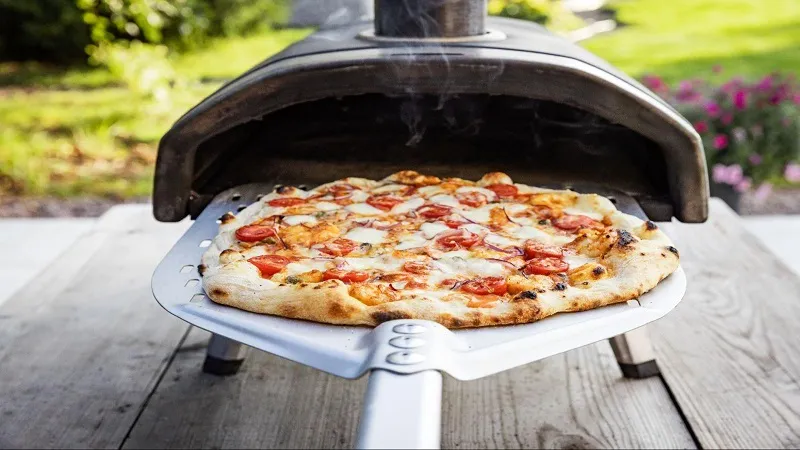
There’s something lovely about eating homemade pizza in the garden. The dough puffs up, the toppings start bubbling and someone inevitably reaches for another slice before the first one has cooled. Then, because this is Britain, a breeze picks up or a few spots of rain appear.
That doesn’t mean outdoor pizza is only for those rare, perfectly sunny evenings. A well-chosen oven can earn its place on your patio from early spring to late autumn, and even on a crisp winter weekend. The trick is to choose for the garden and climate you actually have, rather than the outdoor kitchen you’ve seen in a photograph.
From fuel and construction to insulation, storage and positioning, here’s what matters when choosing an outdoor pizza oven that you’ll enjoy using.
Start with Your Garden, Not the Oven
Before comparing pizza ovens, take a proper look at your outdoor space. A small courtyard can be a brilliant spot for pizza nights, but it may not have room for a large permanent oven, a preparation table and half a dozen people gathering round.
Measure the area you can realistically dedicate to cooking. Remember to allow space for the oven door, safe clearances, a sturdy stand and somewhere to set down dough, toppings and hot trays. You’ll also want a clear route back to the kitchen, especially when you’re carrying food in unpredictable weather.
Think about how you entertain, too. Are you making two pizzas on a Friday night, or feeding a crowd over several hours? Do you want the oven to be a permanent garden feature, or something you can put away when the patio needs to serve another purpose?
Finally, consider what you’ll cook. If the plan is just pizza, a compact model might do everything you need. If you also fancy breads, roasted vegetables or meat, look for a cooking chamber and controls suited to those dishes.
Wood, Gas or Electric? Choose Your Kind of Cooking
The fuel type affects far more than flavour. It changes the lighting routine, the heat-up time, how much attention the oven needs and how pleasant cooking feels when the weather turns.
Wood-Fired: A Little Theatre with Your Dinner
A wood-fired pizza oven brings the appeal of a real fire to your garden. Watching the flames move across the chamber is part of the occasion, and wood-fired pizza can develop a subtle smoky character.
There is more to manage, though. You’ll need to light the wood, build up a steady temperature and feed the fire as you cook. Wind can make this trickier, and damp fuel rarely leads to a relaxed evening. Store logs somewhere dry and use the size and type recommended for your oven. Wood pellets or charcoal are options only in models specifically designed to burn them.
If you enjoy tending a fire, that extra involvement can be a pleasure rather than a chore.
Gas: Easier to Fit Around Everyday Life
A gas pizza oven is appealing when you want to finish work and start cooking without building a fire first. Gas generally makes it simpler to adjust the heat, and there’s no ash to clear out afterwards.
That convenience can be particularly welcome on a chilly evening when everyone would rather eat than watch you coax flames into life. You’ll still need to manage preheating, check temperatures and follow the manufacturer’s guidance for gas cylinders, hoses, and ventilation.
Electric: Straightforward, with One Important Check
An electric pizza oven offers a different kind of convenience. Some models have a temperature display and simple controls, making them feel familiar if you enjoy easy-to-use kitchen appliances such as an air fryer.
However, not every electric oven is designed for outdoor use. Check the stated location and weather requirements before buying. A garden installation also needs appropriate electrical protection, not simply the nearest plug and hope for the best.
Some ovens offer more than one fuel option. That flexibility can be useful, but it’s worth asking which fuel you’d actually use most often.
Kit-Built, Ready-Made or Portable?
Once you’ve considered fuel, think about the format. A wood-fired oven, for example, could be built into a permanent garden kitchen or supplied as a ready-made unit. These are different choices from whether you cook with wood, gas, or electric.
If you’ve searched for outdoor pizza oven UK, you’ll have seen how varied the designs can be. Focus less on appearance alone and more on the work involved in owning one.
Kit-Built Ovens: For a Permanent Feature
A kit-built oven can become a lovely focal point for a garden, especially if you already have a sheltered seating area and enjoy outdoor cooking. It can also give you more freedom over the surrounding worktop and finish.
The trade-off is the build itself. You’ll need a suitable foundation, correct assembly, insulation and an appropriate weather-resistant outer finish. Refractory parts, curing procedures and chimney arrangements aren’t details to improvise. Follow the kit instructions and consider experienced installation help where needed.
These ovens also tend to stay put, so choosing the location carefully matters.
Ready-Made Ovens: Less Building Work
A ready-made oven suits people who want to spend more time cooking pizza and less time on a construction project. Some arrive largely assembled, while others need a stand, flue or other components fitted.
Don’t assume ready-made means lightweight. Check the weight, delivery access, base requirements and whether the oven is intended to remain outdoors. A substantial model may still need a dedicated position and protection from rain.
Portable Ovens: Flexibility for Smaller Spaces
Portable pizza ovens can make sense for a modest patio, a rented home or anyone who needs flexible garden space. You can bring the oven out for entertaining and store it once it has cooled completely.
Check its actual weight, the space required for safe use and where it will live between sessions. If camping appeals, choose a model specifically suitable for that use rather than assuming anything labelled portable can go anywhere.
Size and Insulation: Look Beyond the Biggest Number
It’s tempting to buy the largest oven your budget allows, but bigger isn’t automatically better. A small oven may be ideal for a couple who enjoy making one pizza at a time. If you regularly host friends, a wider cooking floor can make turning and serving pizzas easier.
Think about the size of the pizza stone or refractory floor, the height of the opening and the room needed to move food around. The cooking chamber matters just as much if you want to bake breads or cook vegetables in a suitable dish.
Insulation deserves particular attention in the UK. A well-insulated oven loses heat more slowly, which can make cooking more consistent when the air is cold. Heavy masonry designs often take longer to warm up but may hold heat well once they’re hot. Lighter portable ovens can heat relatively quickly, though performance varies by construction.
Don’t judge an oven solely by its advertised maximum temperature. Ask how quickly it recovers between pizzas, how evenly the floor heats and whether controlling the temperature is straightforward. Reviews of pizza ovens tested on still summer afternoons may not tell the whole story about a breezy October evening.
When you’re testing pizza ovens for your own needs, think about repeated cooking, not just one perfect test pizza. The useful question is whether the second and third bases cook as well as the first.
Rain, Wind, and Winter: Give the Oven Some Protection
British weather is less about dramatic extremes than about frequent changes. An oven can be hot and working beautifully when a passing shower arrives, so protection needs thinking through before you light it.
For permanent builds, the right outer render, insulation system and weatherproof detailing help keep moisture out. Follow the manufacturer’s specification, particularly around openings and chimneys. Specialist suppliers such as shop.vitcas.com show the types of building materials and accessories involved, but the chosen oven design should determine what you need.
Ready-made and portable ovens may benefit from a properly fitting cover or dry storage, depending on their instructions. Let the oven cool fully before covering it, and avoid trapping moisture underneath. Never splash cold water onto a hot cooking stone.
Wind matters as well as rain. A location with some protection can make the fire easier to manage and help reduce heat loss. However, shelter must never mean putting a fuel-burning oven in an enclosed space. Check clearances around fences, walls, roofs and pergolas, and stop cooking if conditions become unsafe.
In winter, inspect covers and exposed surfaces, remove ash as directed and keep stored fuel dry. Some ovens can remain outside with suitable protection; others are best put away.
Where Should Your Oven Go in the Garden?
The most picturesque corner isn’t always the most practical or safe. Start with a level, stable, suitably heat-resistant base that can support the oven’s full weight. Follow the manufacturer’s instructions for stands, legs, and separation from combustible surfaces. A timber table or decking isn’t automatically an appropriate place for a hot appliance.
Next, watch how the wind moves through your garden. Position smoke and any chimney away from seating where possible, while considering neighbours’ windows and doors. Keep the oven away from overhanging plants and anything else that could catch fire.
An outdoor pizza oven should be used only in a location approved for that model. Never run wood or gas ovens indoors, in a garage or in an enclosed shelter: fire and carbon monoxide are serious hazards, even when a door is open.
For an electric model, check that the equipment is suitable for outdoor use and that the supply has appropriate protection, including an RCD. Use a suitable extension only if the manufacturer permits it and the lead is correctly rated for the conditions.
Finally, think about the little conveniences. A nearby preparation surface, good lighting and an easy path to the kitchen can make outdoor cooking much more enjoyable. If you’re planning a permanent structure, check any relevant local planning and installation requirements before building.
Enjoying Outdoor Pizza All Year Round
You don’t need a huge party to justify firing up the oven. A few test pizzas are a good way to learn how your model behaves before you invite everyone round. Prepare the dough and toppings indoors, keep a pizza peel and heat-resistant gloves handy, and give the oven enough time to reach a stable cooking temperature.
On colder days, preheating and recovering heat between pizzas may take longer. Keep an eye on the cooking floor as well as the flames, and avoid rushing the first pizza.
Once you’re confident, branch out. Flatbreads, roasted veggies and suitable meat dishes can make good use of a hot oven, provided you use the correct cookware and follow its cooking guidance. Pizza may be the main attraction, but it needn’t be the only thing on the menu.
The Best Pizza Oven Is the One You’ll Use
There isn’t one best pizza oven for every British garden. A compact gas model may suit quick midweek dinners; a permanent wood-fired installation might be perfect for slow weekends with friends. Both can work well when the size, insulation, weather protection and position suit the space.
Choose an oven that fits your habits rather than an idealised summer scene. With a sensible setup and a little practice, homemade pizza can be part of garden life long after the barbecue has been packed away.