
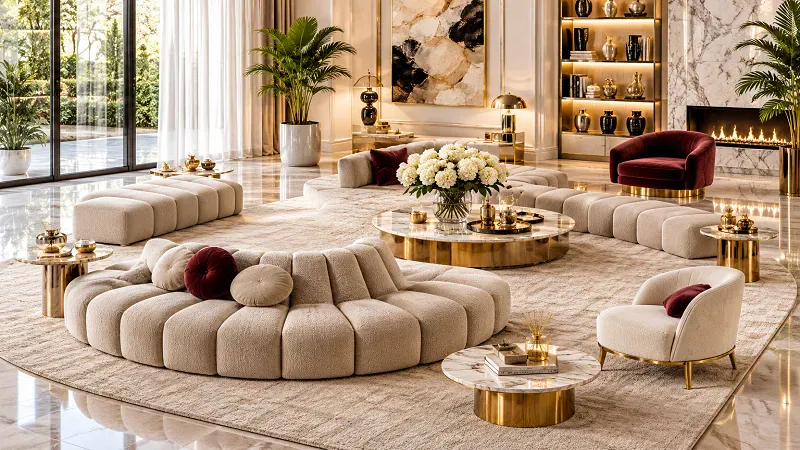
Luxury interior design is about creating beautiful, comfortable, and well-organized spaces that reflect personal style. It combines attractive furniture, quality materials, thoughtful lighting, elegant colors, and practical layouts. Whether you are decorating a small apartment, renovating a family home, or designing a spacious living room, the right ideas can make a noticeable difference.
For anyone looking for inspiration, for start writing about luxuryinteriors.org is a useful topic to explore. It offers an opportunity to discuss luxury home decoration, modern interior styles, furniture selection, and practical design solutions. A well-planned interior does not always require expensive products. Instead, it depends on making smart choices that improve the appearance and functionality of each room.
This guide explores important elements of luxury interiors and explains how homeowners can create stylish spaces without overlooking everyday comfort.
Understanding the Basics of Luxury Interior Design
Luxury interior design focuses on quality, balance, and attention to detail. It creates an inviting environment where every item has a purpose. Instead of filling rooms with expensive decorations, homeowners can select a few attractive pieces that complement the overall design.
Quality Over Quantity
One of the most important principles of luxury decorating is choosing quality products. A well-made sofa, a durable dining table, or carefully selected lighting can improve a room’s appearance.
Avoid purchasing too many decorative accessories. A clean arrangement allows important furniture and design features to receive more attention.
Creating a Balanced Appearance
Balance helps different elements work together. Furniture, wall colors, lighting, and decorative objects should complement one another. For example, a neutral living room can benefit from a textured rug, wooden furniture, and a few carefully selected decorative pieces.
Choose the Right Color Palette
Colors influence the atmosphere of a home. The right combination can make a room feel peaceful, welcoming, spacious, or sophisticated.
Neutral Colors for an Elegant Look
White, beige, cream, grey, and soft brown are popular choices for sophisticated interiors. These shades create a calm background and work well with different furniture styles.
Homeowners can introduce darker colors through cushions, curtains, artwork, or furniture. This approach creates contrast without making the room feel overwhelming.
Add Accent Colors Carefully
Accent colors bring personality to interior spaces. Deep green, navy blue, burgundy, and muted gold can create an attractive appearance when used thoughtfully.
For example, a cream-colored bedroom can feature dark green cushions and matching artwork. Small details can make the overall design more interesting.
Invest in Comfortable and Stylish Furniture
Furniture plays an important role in the appearance and usability of every room. Good furniture should look attractive while supporting everyday activities.
Select Furniture According to Room Size
Before purchasing furniture, measure the available space. Large sofas may look impressive in spacious living rooms but can make smaller areas difficult to use.
Choose furniture that allows people to move comfortably. Consider multifunctional pieces, such as storage beds, extendable dining tables, and compact coffee tables.
Focus on Materials and Finishes
Wood, natural stone, glass, leather, and quality fabrics can add character to a home. Each material offers a different appearance and requires different levels of maintenance.
For instance, wooden furniture creates warmth, while glass surfaces can help a room feel more open. Select finishes that match your lifestyle and cleaning preferences.
Improve Your Home with Thoughtful Lighting
Lighting can completely change how an interior looks and feels. A well-lit room highlights attractive features and creates a comfortable atmosphere.
Combine Different Lighting Types
A practical lighting plan usually includes three main types:
- Ambient lighting: Provides general illumination throughout the room.
- Task lighting: Supports activities such as reading, cooking, and working.
- Accent lighting: Highlights artwork, shelves, architectural details, or decorative features.
Combining these options creates a more flexible environment.
Make the Most of Natural Light
Natural daylight can make interiors feel brighter and more welcoming. Use light curtains when privacy allows, keep windows clean, and avoid placing large furniture directly in front of important light sources.
Mirrors can also help reflect daylight around a room. Position them carefully to improve brightness without creating unwanted glare.
Add Texture and Decorative Details
Luxury interiors often include different textures that make spaces visually interesting. Combining smooth, soft, rough, and natural surfaces creates depth without requiring excessive decoration.
Use Fabrics to Create Comfort
Curtains, cushions, rugs, blankets, and upholstered furniture can make a room feel warmer. Choose fabrics that complement the existing color scheme.
For example, velvet cushions can add richness to a simple sofa, while linen curtains create a relaxed appearance.
Select Meaningful Decorations
Artwork, mirrors, vases, indoor plants, and decorative lamps can give a room its own character. Choose items that reflect your preferences instead of following every design trend.
A large artwork above a sofa or a carefully arranged collection of objects on a shelf can create an attractive focal point.
Create a Functional and Beautiful Living Room
The living room is often one of the most frequently used areas of a home. It should provide enough seating, comfortable movement, and an inviting atmosphere.
Start by identifying the room’s main purpose. Some households use their living rooms for entertainment, while others need space for reading, family activities, or receiving guests.
Arrange sofas and chairs to encourage conversation. Add a suitable coffee table, practical storage, and layered lighting. Keep frequently used items accessible and avoid unnecessary furniture.
A simple layout with coordinated colors and comfortable seating can create a refined appearance.
Design a Relaxing Luxury Bedroom
A bedroom should support relaxation and provide a peaceful environment. Comfortable bedding, suitable lighting, and organized storage are essential elements.
Choose a bed that fits the room and invest in a comfortable mattress. Soft colors, attractive bedside tables, and quality curtains can improve the overall atmosphere.
Avoid overcrowding the bedroom with decorative objects. Keep surfaces organized and use storage solutions to reduce visible clutter.
A soft rug, a stylish headboard, and warm bedside lighting can make the room feel more welcoming.
Common Interior Design Mistakes to Avoid
Even attractive decorating ideas can produce disappointing results when planning is overlooked.
Here are some common mistakes homeowners should avoid:
- Ignoring measurements: Furniture that does not fit properly can affect movement and comfort.
- Using too many colors: Excessive color combinations can make a room look disorganized.
- Poor lighting choices: Relying on one light source may leave important areas too dark.
- Following every trend: Popular styles may not match personal preferences or practical needs.
- Overdecorating: Too many accessories can make even a spacious room feel crowded.
- Ignoring maintenance: Some materials require regular cleaning and care.
Planning ahead helps prevent unnecessary expenses and improves the final result.
How to Plan a Luxury Interior Design Project
A successful interior project begins with a clear plan. Homeowners should understand their needs, available space, and budget before purchasing furniture or decorative products.
Start by choosing one room and identifying the changes that would make the biggest difference. Create a basic color scheme and measure the space carefully.
Next, prepare a shopping list that separates essential purchases from optional decorations. Compare materials, check product dimensions, and consider long-term maintenance costs.
You can also collect inspiration from interior design websites, magazines, furniture showrooms, and home improvement platforms. However, adapt these ideas to your own space rather than copying an entire design.
If a renovation involves electrical work, structural changes, or complicated installations, consider consulting a qualified professional.
Why Luxury Interiors Should Combine Style and Comfort
A beautiful home should also support everyday living. Comfortable seating, practical storage, suitable lighting, and durable materials are just as important as attractive decoration.
Luxury does not have to mean purchasing the most expensive products. It can come from thoughtful planning, good organization, carefully selected finishes, and attention to small details.
When homeowners balance appearance with functionality, they can create interiors that remain attractive and useful over time.
Conclusion
Luxury interior design is about creating spaces that combine elegance, comfort, and practicality. From selecting suitable furniture and choosing balanced colors to improving lighting and adding decorative details, every decision contributes to the final appearance.
For readers interested in for start writing about luxuryinteriors.org, exploring these design principles provides a helpful starting point for understanding modern home decoration. Focus on quality, measure your rooms carefully, avoid unnecessary purchases, and choose elements that reflect your personal style. With thoughtful planning, any home can become a more comfortable, organized, and visually appealing place.