
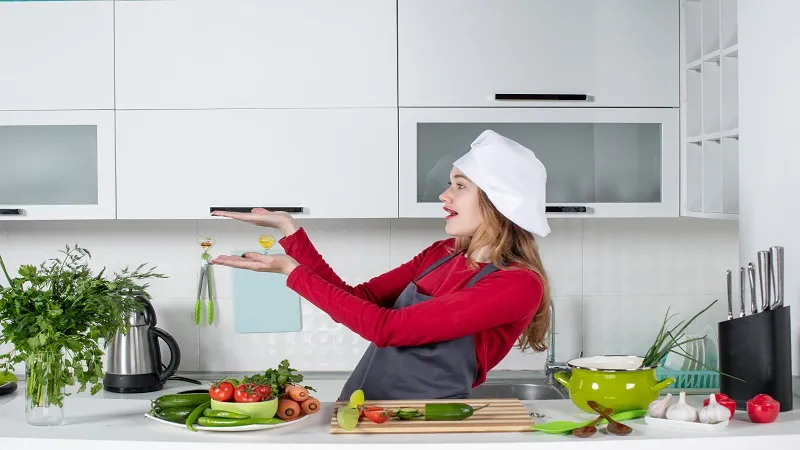
A kitchen doesn’t need a complete renovation to feel fresh, stylish and inviting. Sometimes, a few carefully chosen upgrades can make a bigger difference than replacing everything at once. Outdated cabinets, worn flooring and poor lighting can make even a spacious kitchen feel tired, but addressing these details can transform how the room looks and functions.
Whether you’re working with a limited budget or planning gradual improvements, these seven upgrades can help create a modern kitchen without unnecessary expense or disruption.
1. Refresh Your Kitchen Cabinets Instead of Replacing Them
Kitchen cabinets occupy a large part of the room, so their appearance has a significant influence on the overall design. Fortunately, replacing them isn’t always necessary.
If the cabinet units are structurally sound, repainting the doors can create a completely different look. Soft grey, warm white, sage green and muted beige work particularly well in contemporary kitchens.
For an additional improvement, replace outdated handles with simple brushed metal or matt black alternatives. Even this relatively inexpensive change can make existing cabinetry feel more modern.
2. Upgrade Your Flooring for a Warmer, More Contemporary Look
Flooring is often overlooked during kitchen makeovers, despite covering such a large visual area. Old tiles, damaged laminate or worn surfaces can make the entire space appear dated.
Wooden flooring is an attractive option for homeowners who want to introduce natural textures and create a more welcoming atmosphere. Engineered wood can be particularly suitable for kitchens when the product is approved for this use and moisture is carefully managed.
Professional Kitchen wood floor installation can help achieve a neat, durable finish while ensuring the subfloor is properly prepared and suitable installation methods are used.
Before choosing wooden flooring, consider how frequently the kitchen is used, the likelihood of spills and the maintenance requirements of different finishes.
3. Introduce Layered Lighting
One ceiling light cannot meet all the needs of a modern kitchen. Use different lighting options for cooking, food preparation, and relaxing evenings.
Consider combining three types of lighting:
- Task lighting: LED strips beneath wall cabinets illuminate worktops and food preparation areas.
- Ambient lighting: Recessed ceiling lights or discreet fixtures provide comfortable general illumination.
- Decorative lighting: Pendant lights above a kitchen island or dining table add personality.
Warm white lighting can create a cosy atmosphere, while brighter task lighting helps improve visibility during cooking.
4. Replace an Outdated Splashback
A kitchen splashback protects walls from splashes and stains, but it also offers an opportunity to introduce colour and texture.
Large tiles create a sleek look with fewer grout lines, while classic metro tiles suit both modern and traditional homes.
For a more seamless look, consider splashbacks made from suitable glass, stainless steel or solid-surface materials. Always check heat resistance and installation requirements, particularly around hobs.
5. Make Better Use of Existing Storage
Modern kitchens aren’t necessarily larger; they simply make better use of available space.
Deep drawers, pull-out corner shelves, and cabinet organisers keep everyday essentials within easy reach. Vertical dividers neatly store baking trays and chopping boards, while pull-out recycling bins keep waste containers hidden from view.
Before installing new storage, identify which areas cause the most frustration. Improving one awkward cupboard may be more useful than adding several decorative shelves.
6. Update Your Taps and Kitchen Accessories
Small fixtures can have a surprisingly noticeable effect on a kitchen’s appearance.
Replacing an ageing tap with a contemporary design can instantly refresh the sink area. Brushed stainless steel, chrome and matt black finishes work with many modern interiors, although the best choice depends on existing handles, appliances and lighting.
Practical details matter too. A pull-out spray tap makes washing vegetables and cleaning large pans easier, while a water-saving model helps reduce water waste.
Matching every metal finish isn’t essential, but choosing a consistent combination can make the room feel more considered.
7. Create a Cleaner Look with Thoughtful Finishing Touches
The final upgrade doesn’t necessarily involve buying anything new.
Cluttered worktops can make even a recently renovated kitchen appear untidy. Removing rarely used appliances, organising cooking utensils and introducing a few carefully chosen accessories can help create a calmer environment.
Try keeping everyday essentials close to where they’re used. Store cooking oils near the hob, arrange preparation tools beside the main worktop and reserve visible shelving for items that are both useful and attractive.
A small herb collection, wooden chopping boards or simple ceramic containers can introduce warmth without overwhelming the space.
Modernising a kitchen is ultimately about improving how it works as well as how it looks. By focusing on the areas that affect everyday comfort, homeowners can create a stylish, practical space while preserving the features that already work well.