
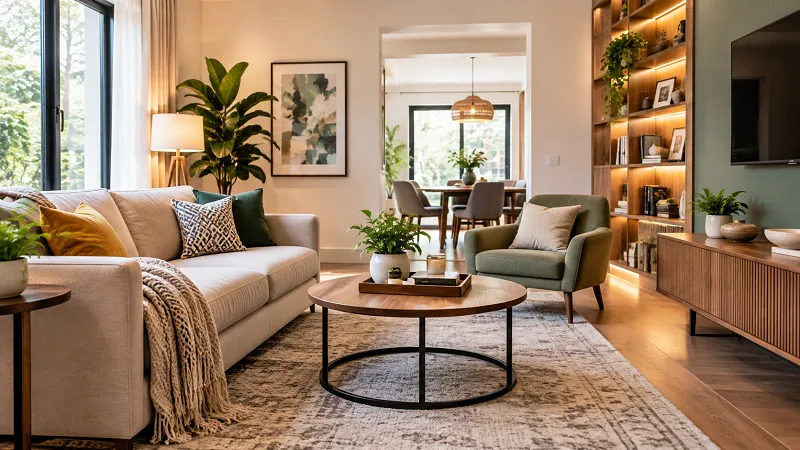
A beautiful home is more than a place to live. It is a personal space that reflects your lifestyle, preferences, and daily needs. From choosing the right furniture to selecting suitable colors and arranging decorative accessories, every detail contributes to the comfort and appearance of your home. Understanding interior design services can help homeowners make better decisions and create functional, attractive spaces.
Service Info MyInteriorPalace is a useful search topic for readers interested in learning about interior design services, home decoration ideas, furniture arrangements, and practical ways to improve their living spaces. Whether you want to refresh a single room or renovate your entire property, understanding the available services can help you plan your project more effectively.
This guide explains important aspects of interior design, including planning, decoration, furniture selection, lighting, budgeting, renovation, and professional assistance. It also shares practical tips to help you create a home that combines style, comfort, and functionality.
1. Understanding Interior Design Services
Interior design services focus on improving the appearance, organization, and usability of indoor spaces. These services may include room planning, color selection, furniture recommendations, lighting arrangements, material selection, and decorative styling.
Interior design goes beyond improving a room’s appearance; it also enhances comfort, functionality, and everyday living. It also involves understanding how people use their spaces and finding solutions that improve everyday living. For example, a small apartment may benefit from multifunctional furniture, while a large living room may require carefully planned seating arrangements.
When researching Service Info MyInteriorPalace, readers should consider which design services match their needs. Some projects require only simple decorating advice, while others involve detailed planning, custom furniture, or major renovations.
Identifying your priorities before starting can help you select appropriate services and avoid unnecessary expenses.
2. Exploring Different Types of Interior Design Services
Interior design covers several areas, and each serves a different purpose. Understanding these options makes it easier to determine which improvements will provide the greatest value.
Residential Interior Design
Residential interior design focuses on houses, apartments, bedrooms, kitchens, bathrooms, and living areas. Designers consider the homeowner’s lifestyle, available space, preferred style, and budget when developing a design plan.
A residential project might involve selecting furniture, choosing wall colors, improving storage, or creating a more comfortable layout.
Commercial Interior Design
Commercial interior design improves spaces such as offices, shops, restaurants, and other business environments. These projects focus on enhancing customer experiences, improving employee comfort, ensuring accessibility, and maximizing space efficiency.
A well-organized office, for example, can provide suitable work areas while maintaining a professional appearance.
Space Planning
Space planning involves arranging furniture, storage, and other elements to make a room practical and comfortable. Proper planning improves movement, reduces clutter, and helps people use every available area.
This service is particularly valuable in smaller homes, where an inefficient layout can make rooms feel crowded.
Decoration and Styling
Decorating services focus on visual details, including curtains, cushions, rugs, artwork, mirrors, plants, and accessories. These elements can refresh a room without requiring extensive construction.
Choosing a consistent color palette and limiting unnecessary decorations can create a balanced and attractive result.
3. Planning Your Home Interior Design Project
Successful interior design begins with a clear plan. Before purchasing furniture or hiring professionals, consider how you want each room to look and function.
First, determine how you plan to use the space. A family living room needs comfortable seating and durable materials, while a home office benefits from proper lighting, adequate storage, and an organized workspace.
Next, measure the room carefully. Record the dimensions of walls, windows, doors, and existing furniture. Accurate measurements help prevent problems when selecting new items.
Create a list of essential improvements and optional upgrades. For example, repairing damaged walls may be more important than purchasing decorative accessories.
Finally, develop a realistic timeline. Smaller decorating projects may take only a few days, while renovations involving plumbing, electrical work, or structural changes can require considerably more time.
A practical plan helps you manage costs, prioritize tasks, and maintain a clear direction throughout the project.
4. Choosing the Right Colors for Your Home
Color plays an important role in the appearance and atmosphere of an interior space. The right color combination can make a room feel cozy, spacious, peaceful, or lively.
Neutral colors such as white, beige, cream, and gray provide flexible backgrounds for different decorating styles. They also make it easier to introduce colorful accessories without overwhelming the room.
Soft blues and greens can create a relaxing atmosphere in bedrooms and reading areas. Warmer shades, including terracotta and muted orange, can add character to living rooms and dining spaces.
However, color selection should also consider natural light, room size, flooring, and existing furniture. A shade that looks attractive in a showroom may appear different under your home’s lighting conditions.
Before painting an entire room, test small samples on the walls and observe them at different times of day. This simple step can help you avoid expensive mistakes.
5. Selecting Furniture That Combines Comfort and Style
Furniture affects both the appearance and functionality of a room. Selecting attractive pieces is important, but comfort, durability, size, and practicality deserve equal attention.
Start by measuring the available space and determining the purpose of each furniture piece. A large sofa may suit a spacious living room but could restrict movement in a smaller apartment.
Multifunctional furniture is an excellent choice for maximizing space in smaller homes. Storage beds, folding tables, extendable dining tables, and ottomans with hidden compartments help maximize available space.
Material selection also matters. Families with children or pets may prefer durable, easy-to-clean fabrics. Wooden furniture can provide a timeless appearance, while metal and glass elements may complement contemporary interiors.
Avoid purchasing every piece at once. Start with essential furniture and gradually add complementary items as your design develops.
Comparing prices, checking product dimensions, and reviewing material quality can help you make informed purchasing decisions.
6. Improving Lighting for a Better Interior
Proper lighting helps create a comfortable, practical, and welcoming home. A well-lit room supports everyday activities while highlighting architectural features and decorative details.
Natural light should be a priority whenever possible. Keep windows clear of unnecessary obstructions and use curtains that allow sunlight to enter when privacy requirements permit.
Artificial lighting can be divided into three main categories:
- Ambient lighting: Provides general illumination throughout a room.
- Task lighting: Supports specific activities, such as reading, cooking, studying, or working.
- Accent lighting: Highlights artwork, shelves, architectural details, or decorative features.
Combining these lighting types creates a more flexible environment. For example, a living room might use ceiling lights for general illumination, floor lamps for reading, and small accent lights to highlight artwork.
Energy-efficient LED bulbs can help reduce electricity consumption. When selecting bulbs, consider brightness, color temperature, and compatibility with existing fixtures.
Good lighting design improves visibility, comfort, and the overall appearance of an interior space.
7. Making Small Rooms Look Spacious
Small rooms can feel comfortable and attractive when their layouts are carefully planned. You do not always need to expand a room physically to make it more functional.
Choose furniture that matches the room’s dimensions and avoid overcrowding the floor. Pieces with raised legs can create a lighter visual effect by allowing more floor area to remain visible.
Mirrors can reflect natural light and create a greater sense of depth. Light-colored walls and coordinated furnishings may also help a room feel more open.
Storage is another important consideration. Wall-mounted shelves, vertical cabinets, under-bed storage, and organizers can reduce clutter without occupying too much floor space.
Keep pathways clear and arrange furniture to support easy movement. Instead of displaying numerous small accessories, choose a few items that complement the overall design.
These strategies can help transform compact bedrooms, apartments, and living areas into organized and inviting spaces.
8. Creating a Realistic Interior Design Budget
Budget planning is an essential part of any home improvement project. Without a clear spending limit, it is easy to purchase unnecessary items or underestimate renovation expenses.
Start by dividing your budget into categories such as furniture, paint, lighting, flooring, labor, accessories, and repairs. Check local prices and compare different suppliers before making any major purchases.
Prioritize improvements that address safety, functionality, or existing damage. Cosmetic upgrades can follow when the essential work is complete.
It is also important to set aside extra money to cover unexpected costs. Renovation projects sometimes reveal damaged surfaces, outdated wiring, plumbing issues, or other problems that require additional attention.
You can reduce costs by repainting suitable existing furniture, rearranging current items, shopping during sales, and completing simple tasks yourself when safe and practical.
However, electrical installations, structural modifications, and specialized plumbing should be handled by appropriately qualified professionals.
A realistic budget helps you balance your design goals with your financial resources.
9. Understanding the Importance of Home Renovation
Home renovation involves improving or updating existing areas to increase functionality, comfort, safety, or visual appeal. Depending on the property’s condition, renovation may include repainting, flooring replacement, kitchen upgrades, bathroom improvements, or changes to storage.
Before beginning work, inspect the areas that need attention and determine whether the project requires professional assessment. Establish a clear scope of work so that everyone understands the expected results.
For larger renovations, check local building requirements and obtain any necessary permits before construction begins. Discuss materials, costs, timelines, and responsibilities with contractors before signing an agreement.
It is also important to consider maintenance. Durable flooring, washable paint, moisture-resistant materials in appropriate locations, and well-designed storage can make a home easier to maintain.
Renovation decisions should reflect your needs rather than temporary trends. A functional design that lasts for years provides better long-term value than costly upgrades focused only on appearance.
10. Using Sustainable Materials and Eco-Friendly Design Ideas
Sustainable interior design focuses on reducing waste, improving resource efficiency, and choosing materials responsibly.
One simple approach is to reuse furniture that remains in good condition. Repainting a wooden cabinet or replacing worn upholstery may provide a fresh appearance without requiring an entirely new item.
Energy-efficient lighting and appliances can help reduce electricity use. Curtains, suitable insulation, and weather sealing may also improve indoor comfort and reduce unnecessary heating or cooling.
When choosing materials, consider durability, maintenance requirements, product information, and responsible sourcing. Natural materials can be attractive, but their environmental impact depends on how they are produced, transported, and maintained.
Indoor plants can add color and visual interest, provided you choose varieties suitable for the available light and care conditions.
Sustainable design does not necessarily require a large budget. Small, thoughtful decisions can gradually make a home more efficient, comfortable, and environmentally responsible.
11. How to Evaluate Interior Design Service Providers
Choosing a suitable service provider requires careful research. Before hiring a designer, decorator, or renovation contractor, review their experience and determine whether their skills match your project.
Ask to see a portfolio of completed work. Examples can help you assess their design approach, attention to detail, and ability to work with different spaces.
Request a written estimate that explains the expected costs, materials, labor, payment schedule, and project timeline. Clarify whether the estimate includes consultations, revisions, delivery, installation, or additional services.
Communication is equally important. A reliable professional should listen to your requirements, explain available options, and discuss potential limitations honestly.
Check independent reviews where available, but evaluate them carefully rather than relying on a single testimonial. For major projects, verify relevant qualifications, insurance, references, and contractual terms.
When researching Service Info MyInteriorPalace, readers should confirm the current information available through the relevant official website before relying on specific service descriptions, pricing, or availability.
These checks can help you choose a provider whose services, communication style, and budget align with your expectations.
12. Common Interior Design Mistakes to Avoid
Even a carefully planned project can become less effective when certain mistakes go unnoticed.
One common problem is buying furniture before measuring the room. Oversized furniture can obstruct doorways, limit movement, and make a room feel cramped.
Another mistake is ignoring lighting. A room may appear attractive during the day but feel uncomfortable at night if it lacks suitable illumination.
Using too many colors, patterns, or decorative accessories can also create visual clutter. Establishing a consistent theme helps different elements work together.
Some homeowners prioritize appearance while overlooking practical needs such as storage, easy cleaning, durability, and daily comfort. A beautiful room should also support the activities that take place in it.
Finally, avoid starting expensive work without a budget and clear plan. Researching materials, comparing estimates, and prioritizing essential improvements can reduce unnecessary spending.
Learning from these common mistakes makes the design process more efficient and helps produce better long-term results.
13. Practical Tips for Maintaining a Beautiful Home
Maintaining an attractive interior requires regular attention, but small habits can make the process easier.
Clean surfaces frequently, organize belongings, and return items to their designated places. Regular decluttering prevents unnecessary objects from accumulating in living areas.
Inspect furniture, flooring, lighting fixtures, and walls periodically to identify minor issues before they become expensive problems.
Rotate or refresh decorative accessories occasionally instead of replacing entire rooms. Changing cushion covers, rearranging artwork, or introducing seasonal colors can give a familiar space a new appearance.
Follow the manufacturer’s cleaning instructions for upholstery, flooring, and other materials. Using unsuitable cleaning products can damage finishes or shorten the lifespan of household items.
You should also review storage arrangements as your household’s needs change. A flexible interior makes it easier to accommodate new activities, furniture, or family requirements.
Consistent maintenance protects your investment and helps preserve the comfort and appearance of your home.
Conclusion
Interior design is about creating spaces that look attractive while supporting everyday life. From selecting furniture and colors to improving lighting, organizing storage, and planning renovations, every decision contributes to a home’s overall functionality and comfort.
Researching Service Info MyInteriorPalace can be a starting point for readers who want to explore interior design information and understand different home improvement possibilities. Before choosing a specific service, verify its availability, costs, qualifications, and terms through reliable sources.
The most effective design approach begins with clear priorities, realistic budgeting, careful measurements, and thoughtful material selection. You do not need to complete every improvement at once. Start with the areas that need attention, make practical changes, and gradually develop a style that reflects your preferences.
With careful planning and regular maintenance, you can create a home that feels welcoming, organized, functional, and suited to your lifestyle.