
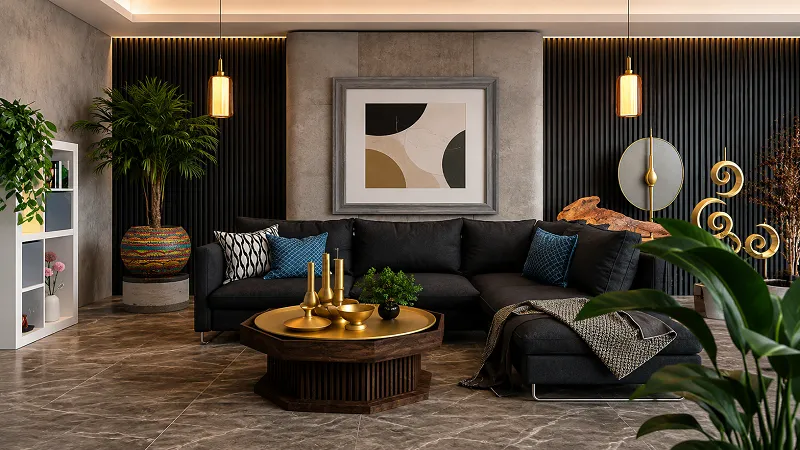
A well-designed home is more than a collection of beautiful furniture and decorations. It is a space that reflects personality, supports everyday activities, and creates a sense of comfort. Whether you are updating one room or planning a complete home makeover, thoughtful interior design can make a noticeable difference. pushyourdesign interiors focuses on creative, practical, and modern ideas that can help homeowners create spaces that feel both attractive and functional.
From choosing the right colors and furniture to improving lighting and organization, every detail contributes to the overall atmosphere of a room. Good interior design does not always require an expensive renovation. Sometimes, simple changes in layout, accessories, textures, and lighting can completely transform a space.
Understanding the Importance of Interior Design
Interior design plays an important role in how people experience their homes. A room can look attractive while still feeling uncomfortable or difficult to use. Effective design balances appearance with functionality so that every part of the space has a purpose.
A thoughtfully designed room should provide enough movement, suitable storage, comfortable furniture, and appropriate lighting. At the same time, colors, materials, patterns, and decorative elements should work together rather than compete with one another.
The goal of pushyourdesign interiors is to encourage homeowners to think creatively about their surroundings. Instead of following every trend, homeowners can select ideas that match their lifestyle, personal taste, and practical needs.
Choosing a Color Scheme That Creates Balance
Color is one of the easiest ways to change the appearance of an interior. A suitable color palette can make a small room feel larger, create warmth in a living area, or give a bedroom a peaceful atmosphere.
Neutral colors such as white, beige, cream, gray, and soft brown provide a flexible foundation. These shades can be combined with stronger colors through cushions, artwork, curtains, rugs, or decorative objects.
For homeowners who prefer more personality, deeper shades can be introduced as accent colors. Navy blue, forest green, terracotta, charcoal, and muted yellow can add character without overwhelming the room.
When selecting colors, consider the amount of natural light available. Darker rooms may benefit from lighter walls and reflective surfaces, while bright rooms can accommodate richer tones more easily.
Creating a Functional Living Room
The living room is often one of the most frequently used areas of a home. It should therefore be comfortable, welcoming, and practical. Furniture placement is particularly important because it determines how people move through the space.
Start by identifying the main purpose of the room. If it is mainly used for conversations, arrange seating so that people face one another. If television viewing is important, position the sofa and chairs around the entertainment area.
Avoid pushing every piece of furniture against the walls simply because the room is large. Creating small conversation zones can make a spacious room feel more organized and inviting.
Coffee tables, side tables, storage cabinets, and shelving should also be selected according to the room’s size. Oversized furniture can make a small living room feel crowded, while very small furniture may look lost in a large space.
Designing a Comfortable and Peaceful Bedroom
A bedroom should encourage relaxation and provide a comfortable environment for rest. Soft colors, suitable lighting, comfortable bedding, and organized storage can all contribute to a peaceful atmosphere.
The bed should normally be the central feature of the room. Choose a headboard, bedding, and surrounding accessories that complement one another. Avoid filling the room with unnecessary furniture, particularly if floor space is limited.
Lighting also deserves attention. A combination of ceiling lighting, bedside lamps, and softer decorative lighting gives you greater control over the atmosphere.
Storage is another important consideration. Wardrobes, drawers, under-bed storage, and organized shelves can reduce visual clutter and make the bedroom feel calmer.
Making Small Spaces Feel Larger
Small rooms can still be stylish and functional when their design is carefully planned. One useful approach is to select furniture that serves multiple purposes. For example, an ottoman can provide seating while also offering hidden storage.
Mirrors can help reflect natural and artificial light, creating the impression of greater depth. Light-colored walls and curtains can also make a room feel more open.
Another effective strategy is to avoid excessive decoration. Too many objects can make a small room feel crowded. Instead, select a few meaningful decorative pieces and give them enough space to stand out.
Vertical storage is particularly useful in compact homes. Tall shelving units and wall-mounted cabinets take advantage of unused wall space without taking valuable floor area.
Using Lighting to Transform Interior Spaces
Lighting can completely change the mood and appearance of an interior. Even an attractive room can feel dull if it has poor lighting.
A successful lighting plan normally combines three types of lighting: ambient, task, and accent lighting. Ambient lighting provides general illumination, while task lighting focuses on activities such as reading, cooking, or working. Accent lighting highlights artwork, architectural details, or decorative features.
Natural light should also be maximized whenever possible. Keep windows clear of unnecessary obstacles and choose curtains that allow sunlight to enter when privacy is not a concern.
Warm lighting is often suitable for bedrooms and living areas because it creates a comfortable atmosphere. Brighter, cooler lighting may work better in kitchens, home offices, and areas where detailed tasks are performed.
Selecting Furniture That Fits the Space
Furniture should be chosen according to both style and scale. Before purchasing anything, measure the available space carefully. This simple step can prevent problems caused by furniture that is too large or too small.
Consider how each piece will be used. A beautiful chair that is uncomfortable may not be a practical choice for a reading area. Similarly, a stylish table with insufficient surface space may become frustrating in everyday use.
Modern interiors often benefit from clean lines and simple forms, while traditional spaces may work well with detailed furniture and classic materials. The most important consideration is consistency. Different furniture pieces should complement one another without making the room look overly coordinated.
Adding Texture and Personality
A room can have a beautiful color scheme and still feel flat if everything has the same texture. Introducing different materials adds depth and visual interest.
Soft rugs, woven baskets, wooden furniture, linen curtains, textured cushions, ceramic accessories, and metal details can create contrast. These elements do not need to match perfectly. Instead, they should share colors or design characteristics that connect them visually.
Personal items can also make an interior feel more authentic. Family photographs, artwork, books, travel souvenirs, and handmade decorations can tell a story about the people who live in the home.
The principles behind pushyourdesign interiors encourage homeowners to use creativity rather than simply copying a showroom. A home should feel personal and reflect the lifestyle of its residents.
Improving Home Organization
Organization is an important part of attractive interior design. Even an expensive interior can lose its appeal when surfaces are constantly covered with clutter.
Begin by identifying items that are rarely used. Removing unnecessary belongings creates more space and makes everyday organization easier.
Use storage solutions that match the room. Baskets can work well in living areas, drawer organizers can improve bedrooms, and wall-mounted storage can be useful in kitchens and offices.
Open shelving can display attractive objects while closed cabinets can hide less visually appealing items. The right combination creates a balance between decoration and practicality.
Bringing Nature Into the Home
Plants are a simple way to introduce natural color and texture into an interior. They can be placed on shelves, tables, windowsills, or floor stands depending on their size.
For people who have limited gardening experience, low-maintenance plants can be a practical choice. Even a few carefully placed plants can make a room feel fresher and more welcoming.
Natural materials such as wood, stone, rattan, bamboo, and cotton can also strengthen the connection with nature. These materials often create a warm and timeless appearance.
Creating a More Sustainable Interior
Modern interior design can also consider sustainability. Choosing durable furniture, repairing items instead of immediately replacing them, and purchasing responsibly produced materials can reduce unnecessary waste.
Vintage and secondhand furniture can provide character while giving existing products a longer life. Repainting an old cabinet or replacing outdated handles can sometimes create a completely different appearance without buying a new piece.
Energy-efficient lighting and natural ventilation can also contribute to a more sustainable home. These choices can benefit both the environment and household efficiency.
Decorating Without Overcrowding
Decoration should enhance a room rather than dominate it. One common mistake is adding too many accessories simply because there is available space.
Instead, create visual focal points. A large piece of artwork, an attractive mirror, a distinctive light fixture, or a statement chair can become the main feature of a room.
Decorative objects should have enough surrounding space so that they remain noticeable. Grouping objects by color, material, or height can also create a more organized appearance.
A balanced interior usually combines decorative areas with simpler spaces. This contrast allows important features to receive greater attention.
Combining Modern Trends With Timeless Design
Interior trends can provide inspiration, but following every trend can quickly make a home feel outdated. A better approach is to combine modern elements with timeless foundations.
For example, neutral walls, quality furniture, and classic flooring can provide a long-lasting base. Trendy cushions, artwork, lamps, or accessories can then be changed when preferences evolve.
This approach also makes future updates easier and more affordable. Instead of redesigning an entire room, homeowners can refresh smaller decorative elements.
pushyourdesign interiors can serve as inspiration for combining contemporary ideas with practical design principles. The best interior is not necessarily the one that follows the latest trend; it is the one that remains comfortable, useful, and visually appealing over time.
Designing a Home Around Your Lifestyle
Every household has different needs. A family with children may prioritize durable materials and easy-clean surfaces, while someone working from home may need a dedicated workspace.
Think about how each room is actually used before making design decisions. A beautiful dining area may not be useful if the household rarely eats there. Similarly, an unused guest room might be converted into an office, hobby room, or multifunctional space.
Design should support real daily activities. When functionality comes first, decorative choices become easier because they can be selected around practical requirements.
Final Thoughts on Creating Better Interiors
Successful interior design is about finding the right balance between beauty, comfort, functionality, and personality. Small improvements can often produce meaningful results without requiring a complete renovation.
Start with the most important areas of the home and make changes gradually. Select a cohesive color palette, improve lighting, choose appropriately sized furniture, introduce useful storage, and add personal decorative elements.
The ideas associated with pushyourdesign interiors demonstrate how thoughtful design can help transform ordinary rooms into attractive and practical living environments. Whether you prefer modern minimalism, classic elegance, natural interiors, or a mixture of styles, the key is to create a home that works for you.
Ultimately, the best interior is one where design and everyday life work together. With careful planning and a little creativity, homeowners can build spaces that look beautiful, feel comfortable, and remain useful for years to come.