
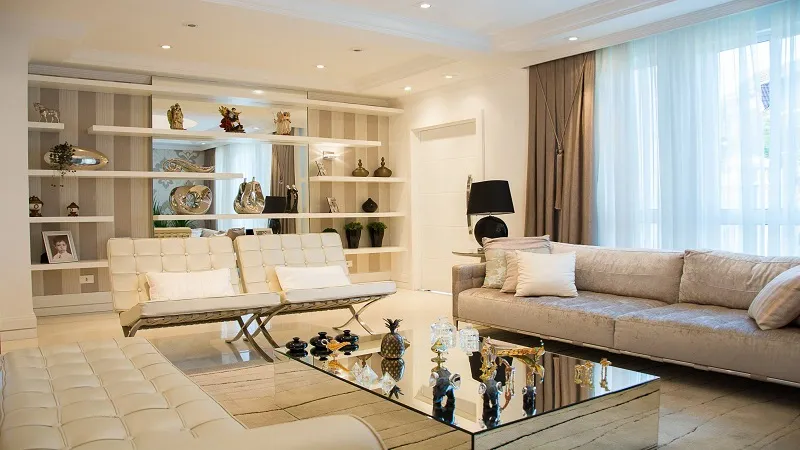
Choosing furniture is one of the most important parts of creating a comfortable and attractive home. Furniture affects how a room looks, how easily people can move around, and how well the space supports everyday activities. The right pieces can make a small room feel open, improve storage, and create a welcoming atmosphere. However, selecting furniture without proper planning may lead to crowded rooms, wasted money, and a design that feels disconnected.
Learning How to Choose the Perfect Furniture for a Beautiful, Practical, and Well-Organized Home requires more than selecting attractive items. You need to consider room size, lifestyle, comfort, quality, storage needs, colors, materials, and long-term value. Every piece should serve a purpose while contributing to the overall design of your home.
This guide explains how to make better furniture choices and create rooms that are stylish, useful, comfortable, and easy to organize.
Start by Understanding Your Space
Before buying any furniture, carefully examine the room where you plan to place it. Measure the length and width of the space and note the location of doors, windows, electrical outlets, and built-in features. These details can affect the size and placement of your furniture.
A large sectional sofa may look stylish in a showroom, but it can make a small living room feel cramped and overcrowded. Similarly, a small dining table may leave too much unused space in a large dining area. Measuring your room helps you select furniture that fits naturally without blocking pathways.
It is also helpful to create a simple floor plan. You can draw the room on paper or use an online room-planning tool. Include the dimensions of the furniture you are considering so you can understand how the layout may look before making a purchase.
Leave enough open space for people to walk comfortably. A well-planned room should feel balanced rather than filled with furniture from wall to wall.
Identify the Main Purpose of Every Room
Every room has a different purpose, and the furniture should support the activities that happen there. A living room may be used for relaxing, entertaining guests, watching television, or spending time with family. A bedroom should provide comfort, privacy, and storage. A home office needs a supportive desk and an ergonomic chair.
Before shopping, ask yourself these questions:
- How is this room used every day?
- How many people usually use the space?
- Do you often invite guests?
- Do you need extra storage?
- Which activities should the furniture support?
These answers can help you avoid purchasing items that look attractive but do not meet your practical needs.
For example, a family with children may benefit from durable sofas with easy-to-clean fabric. Someone who works from home may need a spacious desk with storage rather than a small decorative table. Choosing furniture according to daily needs makes the home more comfortable and functional.
Choose Furniture That Matches Your Lifestyle
Your lifestyle should play a major role in your furniture decisions. A home with pets, children, or frequent visitors may require stronger materials and easy-to-maintain surfaces. A person who prefers a quiet and simple lifestyle may choose minimal furniture with clean lines and open spaces.
When considering How to Choose the Perfect Furniture for a Beautiful, Practical, and Well-Organized Home, think about how each piece will be used over time. A delicate glass coffee table may not be suitable for a busy household, while a solid wood table may provide better durability.
Consider these lifestyle factors:
- Children may require rounded edges and stain-resistant fabrics.
- Pets may make scratch-resistant materials more practical.
- Frequent guests may require extra seating or a sofa bed.
- Remote workers may need comfortable office furniture.
- Small households may benefit from compact and multifunctional pieces.
Furniture should make daily life easier rather than create additional maintenance and organization problems.
Focus on Comfort Before Appearance
Beautiful furniture is important, but comfort should never be ignored. A sofa may have a modern design, but it will not be useful if the cushions are too firm or the seating depth is uncomfortable. The same applies to dining chairs, office chairs, beds, and recliners.
Whenever possible, test furniture before buying it. Sit on the sofa and check whether it supports your back. Try the dining chairs and make sure their height works well with the table. If you are purchasing a bed, consider the size of the room and the amount of space available around it.
Comfort is especially important for furniture used every day. Investing in a comfortable sofa, supportive mattress, or ergonomic office chair can improve the overall experience of living and working at home.
A practical approach is to balance comfort and appearance. Look for furniture that fits your preferred style while providing the support and convenience your household needs.
Select the Right Furniture Size and Scale
Furniture size is different from furniture scale. Size refers to the actual measurements of a piece, while scale describes how well the furniture looks in relation to the room and other items.
Large furniture in a small room can make the space feel heavy and crowded. On the other hand, very small furniture in a large room may look lost and create an unbalanced design.
To create a harmonious layout, combine furniture of different heights and sizes. For example, a tall bookshelf can add visual interest beside a low sofa. A large living room may need a substantial sofa, a wide coffee table, and additional seating to create a balanced appearance.
Avoid placing too many large pieces in one area. Leave open spaces around furniture to make the room feel more comfortable and organized.
Choose a Consistent Style for Your Home
Your furniture does not need to match perfectly, but the pieces should work together visually. A consistent design style can make your home feel more organized and thoughtfully planned.
Popular furniture styles include:
Modern Furniture
Modern furniture often features clean lines, simple shapes, smooth surfaces, and neutral colors. It works well in homes that have a minimal and uncluttered appearance.
Traditional Furniture
Traditional furniture may include detailed designs, rich wood finishes, decorative elements, and classic shapes. It can create a warm and elegant atmosphere.
Scandinavian Furniture
Scandinavian design focuses on simplicity, natural materials, light colors, and functional layouts. It is popular for creating bright and comfortable spaces.
Industrial Furniture
Industrial furniture often uses metal, exposed wood, dark colors, and simple structures. It can give a room a bold and modern appearance.
Rustic Furniture
Rustic furniture uses natural textures, warm wood tones, and handcrafted details. It creates a relaxed and welcoming environment.
You can combine styles, but choose a common element such as color, material, shape, or finish to connect the different pieces.
Consider Quality and Long-Term Durability
Furniture is often a long-term investment, so quality should be considered before price alone. A low-cost item may seem attractive, but it may require replacement if the materials are weak or the construction is poor.
Inspect the frame, joints, fabric, finish, and hardware. Solid construction usually provides better stability and longer use. For sofas and chairs, check the strength of the frame and the quality of the cushions. For tables and cabinets, look for stable legs, smooth surfaces, and secure connections.
Durable furniture can save money over time because it may not need frequent repairs or replacement. However, high quality does not always mean choosing the most expensive item. Compare different options and look for furniture that provides good materials and reliable construction within your budget.
Use Multifunctional Furniture to Save Space
Multifunctional furniture is especially useful in small homes and apartments. These pieces provide more than one benefit and help reduce clutter.
Examples include:
- Storage beds with drawers underneath
- Coffee tables with hidden storage
- Sofa beds for overnight guests
- Expandable dining tables
- Storage benches for entryways
- Ottomans that provide seating and storage
- Wall-mounted desks that fold away
These options can improve organization without requiring additional furniture. A storage bed can reduce the need for extra cabinets, while an expandable dining table can provide more seating only when needed.
Choosing versatile furniture is an important part of How to Choose the Perfect Furniture for a Beautiful, Practical, and Well-Organized Home because it allows you to use available space more efficiently.
Select Colors That Create Balance
Furniture colors can strongly affect the mood and appearance of a room. Light-colored furniture may make a small space feel brighter and more open. Dark furniture can create depth and elegance but may feel heavy if used excessively in a small room.
Start with a simple color palette. Choose one or two main colors and add complementary shades through furniture, cushions, rugs, curtains, and decorative items.
Neutral furniture is often a flexible choice because it can work with many different color schemes. A beige, gray, white, or natural wood sofa can be updated easily by changing cushions and accessories.
You can also use one colorful furniture piece as a focal point. For example, a deep blue chair or a green accent cabinet can add personality without overwhelming the entire room.
Choose Materials That Are Easy to Maintain
Furniture materials should match your lifestyle and maintenance preferences. Some materials look attractive but require regular care, while others are easier to clean and maintain.
Wood is durable and timeless but may need protection from moisture and scratches. Metal is strong and often easy to clean, although some finishes may rust in humid environments. Glass can make a room feel open but may show fingerprints and require frequent cleaning.
Fabric furniture provides comfort and many color choices. However, some fabrics absorb stains more easily than others. Leather can be durable and simple to wipe clean, but it may require special care to prevent drying or cracking.
Consider how much time you are willing to spend maintaining each item. Practical materials can help your home remain attractive without creating unnecessary work.
Plan Storage Before Buying Decorative Furniture
Storage is essential for keeping a home organized. Before adding decorative furniture, identify the items that need to be stored and choose furniture that provides useful storage solutions.
Living rooms may need cabinets for electronics, books, games, and accessories. Bedrooms may require wardrobes, drawers, bedside tables, and under-bed storage. Entryways can benefit from shoe cabinets, benches, and wall hooks.
Closed storage can hide everyday items and create a cleaner appearance. Open shelves can display books, plants, and decorations but require regular organization.
Avoid purchasing furniture only because it looks attractive. Consider whether it will help solve a practical storage need. A beautiful home is easier to maintain when every important item has a designated place.
Create a Balanced Furniture Layout
The way furniture is arranged can be just as important as the furniture itself. A good layout supports movement, conversation, comfort, and the main function of the room.
In a living room, arrange seating so people can communicate easily. Avoid placing every item against the walls if the room has enough space. Bringing furniture slightly inward can create a more comfortable conversation area.
In a bedroom, leave enough room around the bed for easy movement. Place bedside tables where they are convenient, and avoid blocking doors or storage areas.
In a dining room, make sure there is enough space behind chairs for people to sit and move comfortably. The layout should feel open and practical rather than crowded.
A balanced arrangement makes the home look organized and allows each furniture piece to function properly.
Set a Realistic Furniture Budget
Creating a budget can prevent unnecessary spending and help you prioritize important purchases. Divide your budget according to the rooms and furniture pieces you need.
Spend more on items that are used frequently, such as:
- Sofas
- Beds and mattresses
- Dining tables
- Office chairs
- Storage furniture
You may be able to spend less on decorative accessories, small side tables, or temporary items. It is often better to buy a few high-quality pieces over time than to fill the entire home with low-quality furniture immediately.
Compare prices, materials, warranties, delivery costs, and customer reviews before making a decision. Remember that the lowest price does not always provide the best value.
Add Personality Through Accessories
Once you have selected practical furniture, use accessories to add warmth and personality. Cushions, rugs, lamps, artwork, plants, and decorative objects can make a room feel more complete.
Accessories are easier and less expensive to change than large furniture pieces. This allows you to update your home’s appearance without replacing major items.
Avoid adding too many decorations. A few meaningful and well-placed accessories can create a stronger visual effect than a large collection of unrelated objects.
Choose decorations that support your color palette and furniture style. This helps the entire room feel connected and organized.
Think About Future Needs
Furniture should not only meet your current needs but also support possible changes in the future. You may move to a different home, create a home office, welcome more family members, or need additional storage.
Flexible furniture can adapt to these changes. Modular sofas can be rearranged, expandable tables can accommodate more people, and movable storage units can be used in different rooms.
When learning How to Choose the Perfect Furniture for a Beautiful, Practical, and Well-Organized Home, future flexibility is an important consideration. Choosing adaptable pieces can reduce the need to replace furniture when your lifestyle changes.
Final Thoughts
Selecting the right furniture requires planning, patience, and a clear understanding of your home’s needs. The best furniture is not simply the most expensive or fashionable option. It is furniture that fits the space, supports your lifestyle, provides comfort, improves organization, and complements your preferred design.
By measuring your rooms, choosing suitable sizes, focusing on quality, using multifunctional pieces, and planning storage, you can create a home that is both attractive and practical.
Understanding How to Choose the Perfect Furniture for a Beautiful, Practical, and Well-Organized Home can help you make confident decisions and avoid common buying mistakes. Choose each piece carefully, prioritize long-term value, and create a balanced environment where comfort, beauty, and functionality work together.